Ne rien jeter, 33 après
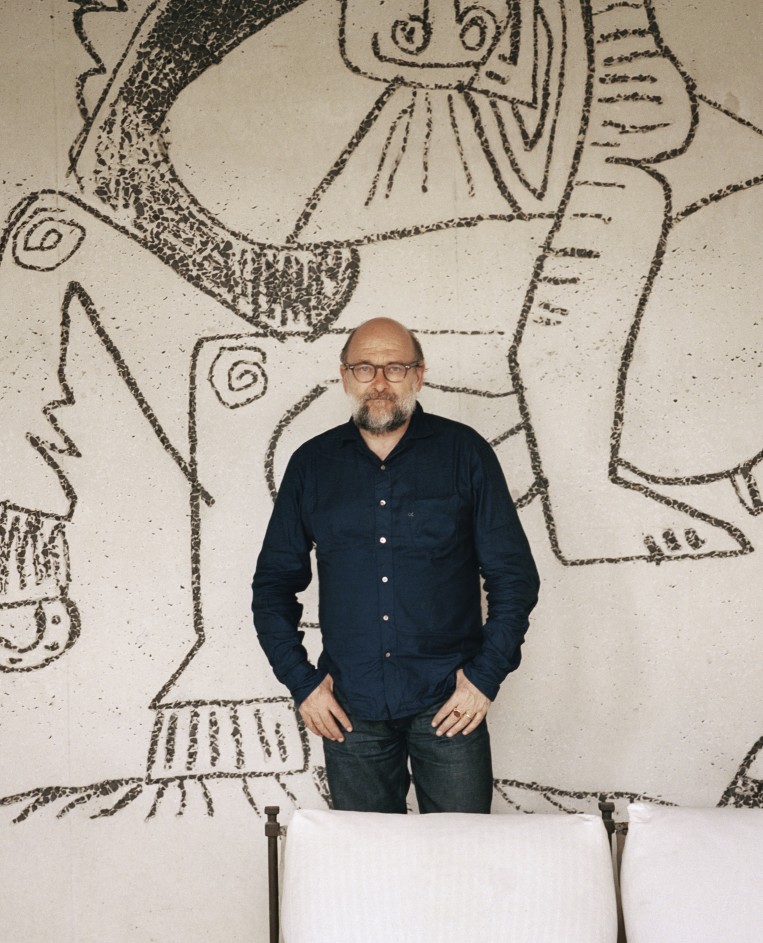
Born in Paris in 1961 to parents who were decorators and furniture and wallpaper designers, Halard was brought up with attentiveness to beauty – not as a luxury, but as discipline of the gaze. Confronted with dyslexia as a child, he developed a quiet sensitivity – forming a relationship with the world based on looking. Photography, for Halard, becomes a way of inhabiting reality. Already at sixteen years old, he throws nothing away.
Following his studies at the École des Arts Décoratifs, he worked summer jobs as an assistant photographer. Not long after, he published in Décoration Internationale and then secured an exclusive contract with Condé Nast – a rare arrangement at the time, and one that no longer exists. In 1984, at the age of 23, he moved to New York, discovering the artistic effervescence of the underground scene of the 80s – that of Jean-Michel Basquiat and Andy Warhol. He collaborated with Vogue US, Vanity Faire, GQ, House & Garden.
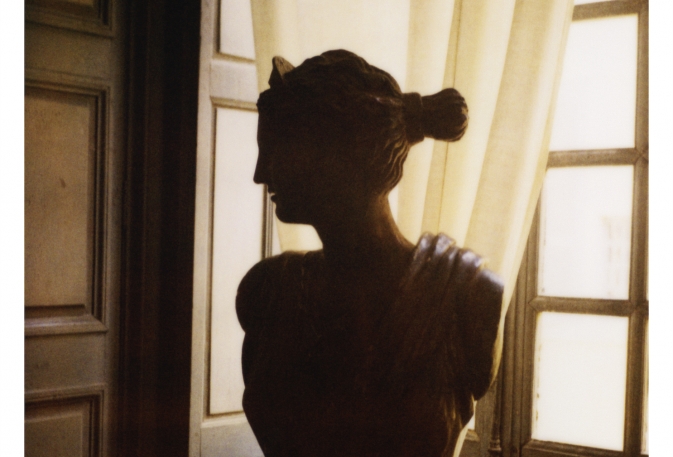
This professional framework gave him privileged access to desirable interiors, some of which have become legendary: the apartment of Yves Saint Laurent and Pierre Bergé on Rue de Babylone, Jacques Grange’s at the Palais-Royal, Hôtel Lambert, and the Villa Medici.
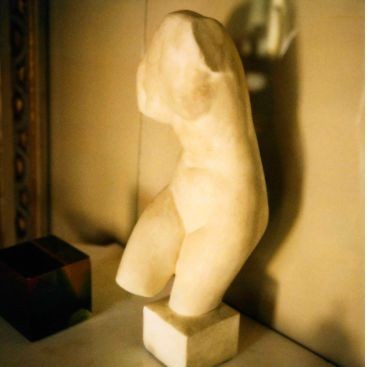
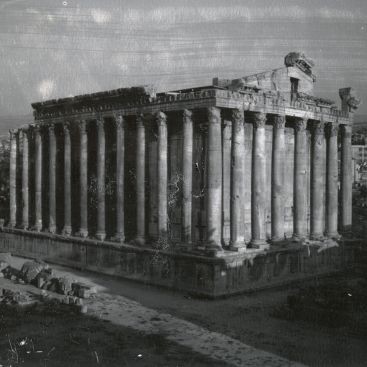
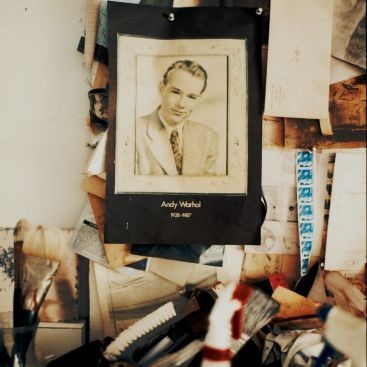
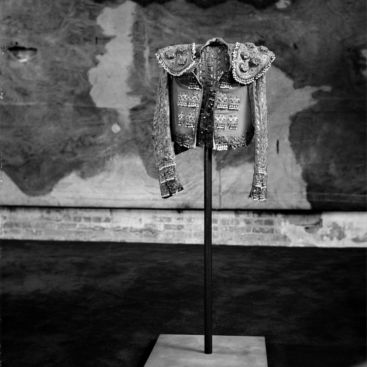
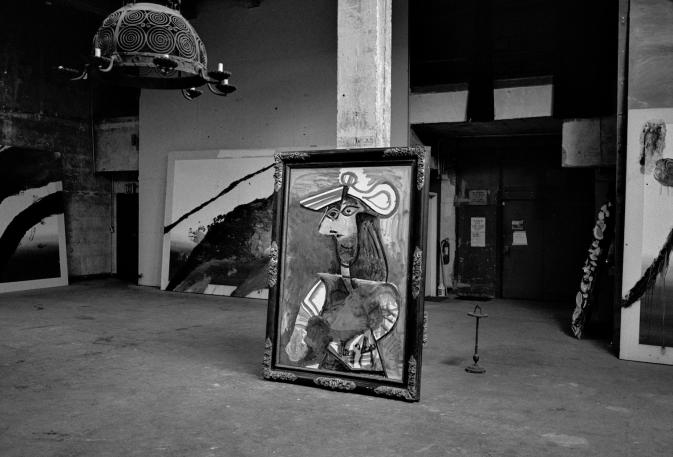
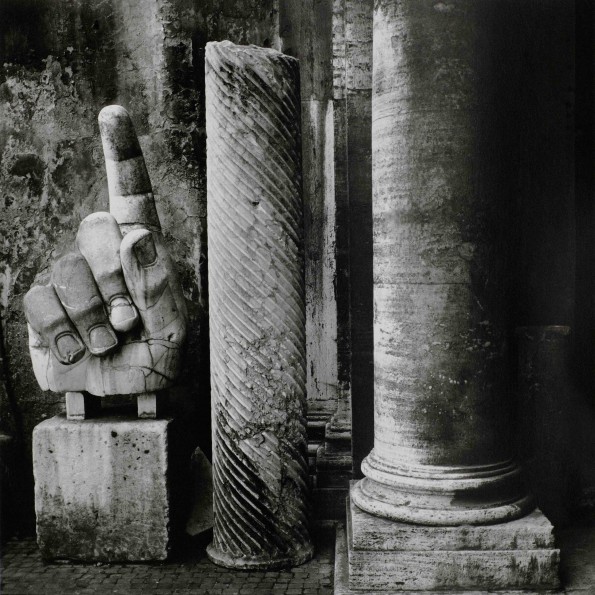
Simultaneously, Halard developed his personal work. He explored artists’ studios, that of Miquel Barcelò and Louise Bourgeoise, modern architecture such as the Villa Malaparte and La Cupola, and ancient vestiges of the Vatican Museum or the Ruins of Baalbek. He is constantly on the search for the presence of concealed masterpieces, the density of time, the traces of past lives and the marks left by creators.
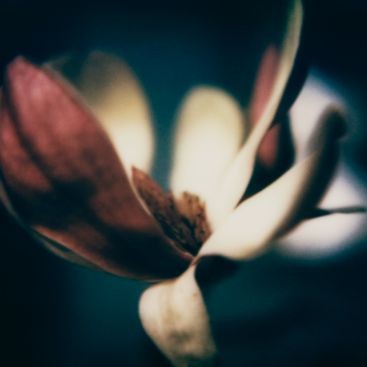
From Arles to Greece, from Rome to Lebanon, his gaze lingers on places imbued with history, where the material world mingles with imagination and memory. Each photograph is a fragment of time in which memory and matter overlap. François Halard scrutinizes what humanity has elevated as most precious; he dwells on the details the hurried passerby ignores and succeeds in conveying the secret life of objects and places, and their fragile and enduring beauty.